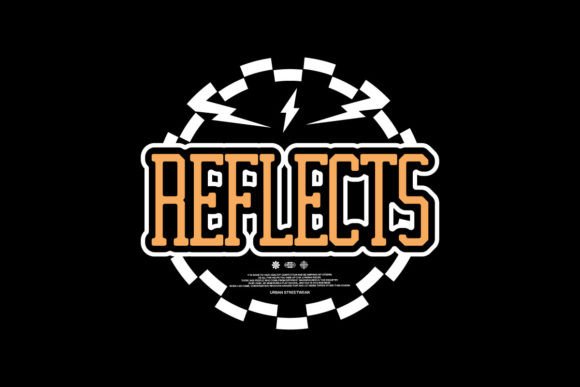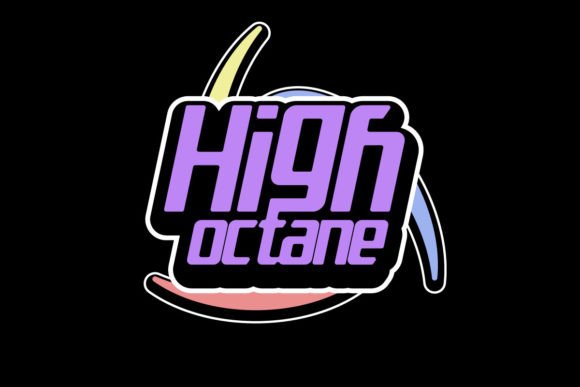
Y2k Streetwear Graphic Design: Reviving Digital Aesthetics
The turn of the millennium brought a very specific, electric vibe to digital culture, and that energy is surging back with a vengeance in the Y2k Streetwear Graphic Design aesthetic. We are talking about more than just nostalgia; we are looking at a distinct visual language defined by chrome textures, liquid metal effects, cybernetic grids, and a chaotic blend of futurism and retro-futurism. If you are a designer or brand owner, understanding this style is crucial because it captures a generation that remembers dial-up tones but lives on high-speed fiber. It bridges the gap between the raw energy of 90s hip-hop and the sleek, digital obsession of the early 2000s.
For creators, the challenge often lies in sourcing assets that feel authentic rather than forced. You need design files that don't just look like a filter but embody the actual structural elements of the era—think bold typography, starbursts, and abstract shapes that mimic early 3D software renders. This is where having access to high-quality vector sources becomes a game-changer for your workflow.
The Anatomy of a Y2K Streetwear Aesthetic
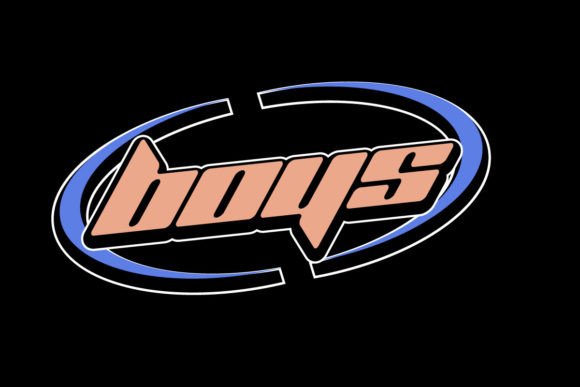
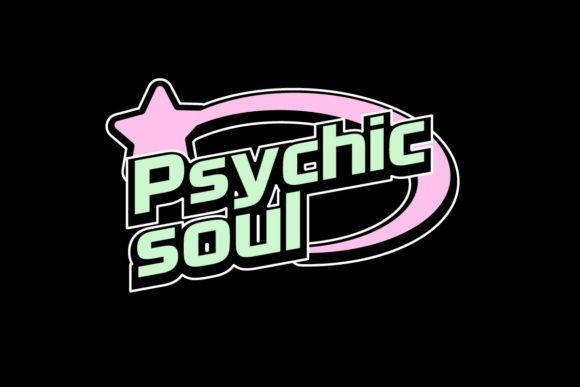
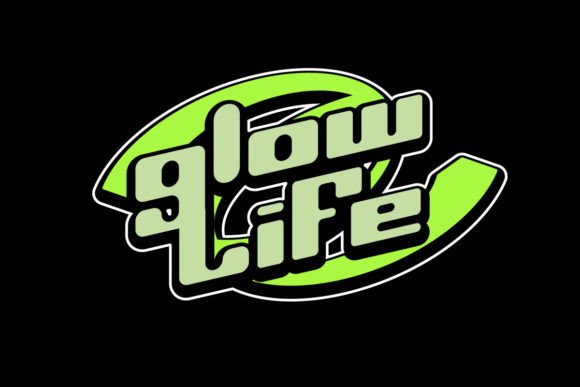
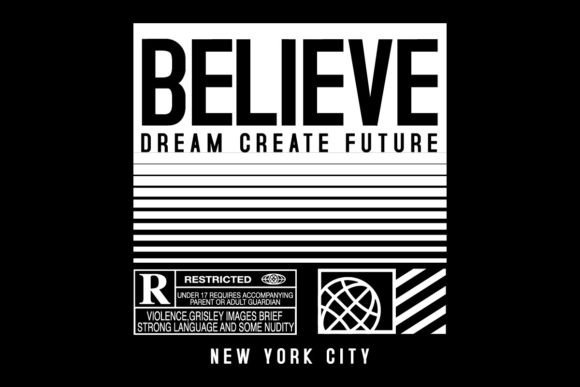
When we analyze the visual personality of Y2k Streetwear Graphic Design, we are looking at a specific set of characteristics. It is loud, unapologetic, and heavily textured. Unlike the minimalist trends that followed, this style embraces visual noise. You will often see a mix of sans serif fonts that look like they belong on a computer terminal, combined with script elements that feel handwritten or graffiti-inspired. The color palettes are rarely subtle; expect neon greens, hot pinks, icy blues, and metallic silvers.
The appeal lies in its versatility. It works perfectly for custom printed clothing because it commands attention on a flat surface. When you apply these graphics to a hoodie or a tee, the garment immediately becomes a statement piece. For streetwear fashion brands, this aesthetic signals a connection to a specific subculture that values individuality and digital expression. It isn't just about putting a picture on a shirt; it is about creating a visual artifact that feels like it was pulled from a vintage hard drive but printed on modern fabric.
Practical Applications for Modern Creators
How does a collection like this fit into your specific project? If you are a small business owner or an entrepreneur launching a merchandise line, the workflow efficiency is the biggest selling point. The prompt mentions that these files are available in 100% Vector source files in EPS formats. This is critical information for anyone serious about production. Raster images (like JPGs) pixelate when you scale them up, which is a nightmare for large format printing on the back of a jacket or oversized hoodie fronts.
With vector files, you have total control. You can easily edit these designs in software like Adobe Illustrator or CorelDRAW. This means you aren't just buying a static image; you are buying a toolkit. You can transform, scale up and down, add or remove elements, and recolor the artwork without losing quality. For a graphic designer working on a client's brand identity, this flexibility allows you to create a cohesive look across different mediums. You can take a central graphic from the Y2k Streetwear Graphic Design collection and adapt it for a logo, a social media header, and a chest print all in the same afternoon.
Furthermore, the inclusion of high-resolution JPGs makes this collection useful for digital marketers and content creators who might not be vector experts. If you are a blogger or a publisher creating digital content, you can use these assets for web design elements, blog post headers, or eye-catching social media graphics. The "plug and play" nature of the files means you can maintain a consistent aesthetic across your digital presence without hiring a custom illustrator for every post.
Optimizing Your Workflow and Brand Consistency
One of the hardest parts of building a brand is maintaining visual consistency. When you mix and match random assets from the internet, your brand identity often suffers because the styles clash. Using a curated collection of Y2k Streetwear Graphic Design assets solves this problem. Because the elements share a common visual language—similar textures, line weights, and thematic influences—they naturally harmonize.
For those involved in packaging design or editorial design, these graphics offer a way to break away from corporate sterility. Imagine a lookbook or a catalog that uses these bold, chrome-style elements as borders or section dividers. It injects energy and personality into the layout. In the realm of web design, these motifs can be used as background textures or interactive elements that engage users who are tired of flat, generic interfaces.
When it comes to the actual production of merchandise, the technical details matter. The prompt highlights that the files are perfect for t-shirt sublimation & other merchandise. Sublimation printing requires high-resolution source files to ensure the ink transfers cleanly onto the substrate without banding or artifacting. Having access to files specifically prepared for this process saves you hours of troubleshooting with your print vendor. It ensures that the final product—the physical shirt in your customer's hands—looks exactly like the digital mockup you used to make the sale.
Evaluating Fit and Future-Proofing Your Designs
Choosing the right design asset is a strategic decision. You need to evaluate if the "Y2K" vibe aligns with your target audience. If your demographic skews toward Gen Z or Millennials who are currently driving the resurgence of 2000s fashion, this style is a direct line to their cultural touchstones. It feels relevant, trendy, and culturally aware. However, even if you aren't strictly a "streetwear" brand, elements of this design language can be used to modernize a stale brand identity.
Consider the font pairing possibilities. While the collection provides the graphics, pairing them with the right typeface is essential for any text you add. The Y2K aesthetic pairs well with condensed sans serifs for a tech feel, or bubbly, rounded fonts for a more playful vibe. Because the source files allow you to remove text, you can use the graphic elements as standalone icons or illustrations, giving you even more creative freedom.
Ultimately, investing in premium design assets is about professionalism. It signals to your customers that you care about quality. A blurry, low-res graphic on a t-shirt looks amateurish and devalues the product. A crisp, vibrant, and professionally executed design commands a higher price point and builds trust. By utilizing editable vector files, you ensure that your designs remain sharp and relevant, regardless of how the market or your specific product line evolves.
Key Takeaways for Your Next Project
- Scalability is King: Always prioritize vector (EPS) formats for merchandise to ensure your designs look sharp on everything from small chest prints to large all-over prints.
- Edit for Uniqueness: Don't just use the files as they are. Use the editable nature of the vectors to recolor and rearrange elements to create a unique brand signature.
- Cross-Platform Consistency: Use the same design assets across your physical merchandise, website, and social media to build a strong, recognizable visual identity.
- Technical Readiness: Ensure your files are high-resolution and properly formatted for your specific printing method, whether it is sublimation, DTG, or screen printing.