Streetwear Graphic Design Reflect: Urban Edge for Modern Creators
Understanding the Visual Language of Streetwear Graphic Design Reflect
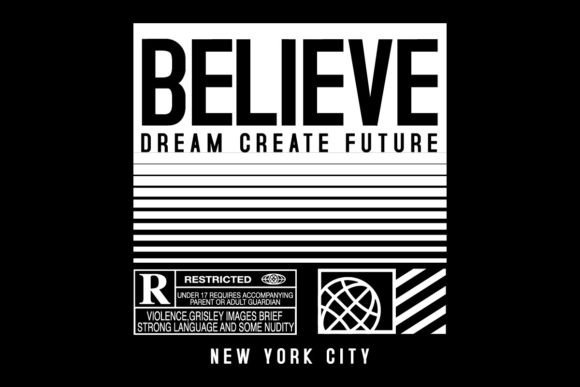
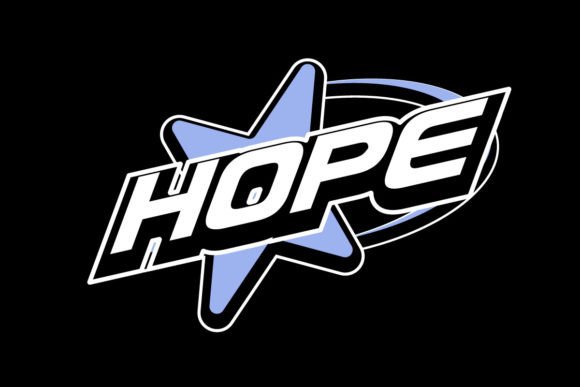
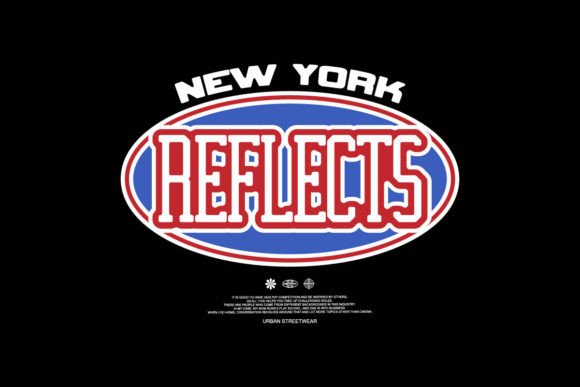
Streetwear Graphic Design Reflect isn't just another collection of digital assets—it's a distilled expression of urban culture, rebellion, and contemporary aesthetics. This design collection captures the raw energy of street art, the boldness of graffiti, and the structured chaos of metropolitan environments. The visual characteristics lean heavily into high-contrast compositions, distressed textures, and graphic elements that feel both intentional and effortlessly cool. Think of it as the visual equivalent of a perfectly curated street style outfit: every element serves a purpose while maintaining an air of authentic nonchalance.
What makes this collection particularly compelling is its personality. Streetwear Graphic Design Reflect carries an attitude—it's confident without being arrogant, edgy without being inaccessible. The style bridges the gap between underground culture and mainstream appeal, making it versatile enough for both niche streetwear brands and mainstream fashion labels looking to inject some urban credibility into their designs. The overall appeal lies in its ability to communicate authenticity, which is currency in today's design landscape where consumers can spot generic, manufactured aesthetics from a mile away.
Where Streetwear Graphic Design Reflect Truly Shines
Let's talk practical applications because that's where design assets prove their worth. Streetwear Graphic Design Reflect excels in scenarios where you need to make a visual statement that resonates with younger demographics, urban audiences, or anyone who appreciates contemporary graphic design with an edge. For custom printed clothing, this collection is particularly powerful—the designs translate beautifully onto t-shirts, hoodies, and accessories because they're built with the end product in mind. The vector format means you can scale these designs from a small chest print to an oversized back graphic without losing quality, which is crucial for apparel production.
Beyond clothing, these assets work remarkably well for brand identity projects targeting streetwear fashion brands, skate companies, music labels, or any business that wants to project an urban, contemporary image. The designs can be adapted for packaging design—imagine a limited-edition sneaker box or a streetwear brand's shipping materials. For social media graphics, the bold visual language cuts through the noise of crowded feeds, especially for platforms like Instagram and TikTok where visual impact is everything. Even web design benefits from these assets when used as hero graphics, background elements, or accent pieces that reinforce a brand's urban aesthetic.
The versatility extends to editorial design as well. Music magazines, urban culture blogs, and lifestyle publications can use Streetwear Graphic Design Reflect elements to create layouts that feel authentic to their subject matter. For logo design projects, certain elements from the collection can be extracted and refined into mark variations that maintain that streetwear sensibility while being uniquely identifiable. The key is understanding that these aren't just decorative pieces—they're building blocks for creating cohesive visual narratives.
How This Collection Influences Visual Communication and Brand Perception
Design decisions are never purely aesthetic—they're strategic. When you incorporate Streetwear Graphic Design Reflect into a project, you're making a deliberate choice about how that project will be perceived. The bold, unapologetic nature of these designs immediately signals certain brand values: authenticity, creativity, cultural awareness, and a willingness to stand outside conventional norms. For brands targeting the 18-35 demographic, this visual language speaks their language—it's the aesthetic they grew up with, influenced by hip-hop culture, street art, and the democratization of design through digital tools.
From a visual hierarchy perspective, the high-contrast elements in this collection naturally draw the eye, making them effective for establishing focal points in your designs. However, this strength requires careful consideration when it comes to readability. Pairing these graphic elements with clean, legible sans serif font choices for body text creates necessary breathing room and ensures your message doesn't get lost in the visual noise. The collection's personality should enhance your content, not overwhelm it.
Brand consistency becomes easier when you have a cohesive design system like Streetwear Graphic Design Reflect. The unified aesthetic across different elements—from typography-inspired graphics to abstract urban patterns—means you can create diverse materials while maintaining visual coherence. This consistency builds recognition, which is particularly important in crowded markets where standing out requires both uniqueness and repetition. When consumers see your visual language across different touchpoints—product packaging, social media, website, advertising—they begin to associate those aesthetics with your brand's values and quality.
Practical Guidance for Working with Streetwear Graphic Design Reflect
Before diving into any project, take time to evaluate whether Streetwear Graphic Design Reflect aligns with your specific goals. The collection works best for projects that benefit from bold, expressive graphics rather than minimalist, understated designs. Ask yourself: does my target audience appreciate urban aesthetics? Does my brand personality align with streetwear culture? Am I creating something that needs to make a strong visual statement? If you answered yes to these questions, you're on the right track.
The included vector files in EPS format are your primary tools for customization. Open them in Adobe Illustrator or similar vector graphics software to access the full range of editing capabilities. You can transform, scale up & down, add & remove elements or text, recolor without losing the quality—this flexibility is what separates professional-grade assets from basic image files. Take advantage of this by adapting the designs to match your specific color palette, adjusting compositions to fit different layouts, or combining elements from different files to create something entirely new.
When it comes to font pairing, consider how Streetwear Graphic Design Reflect's graphic elements interact with your typography choices. The collection's bold, often complex visuals work best when balanced with simpler typefaces—a clean sans serif font for body text or a straightforward display font for headlines. Avoid pairing these graphics with overly ornate script font or handwritten font styles unless you're intentionally creating visual tension. Test different combinations at various sizes to ensure legibility, especially when preparing designs for t-shirt sublimation or other merchandise where viewing distances vary.
For commercial applications, always verify licensing terms before using these assets in client work or products for sale. The included high-resolution JPG files serve as quick references and mockup resources, but the vector files are your production workhorses. When preparing files for printing, pay attention to color modes—convert to CMYK for print projects and maintain RGB for digital applications. The ZIP file contains everything you need, so extract and organize the files in a way that supports your workflow. Consider creating a project-specific folder structure that separates source files, working files, and export versions.
Finally, remember that these design assets are tools, not solutions. Their effectiveness depends entirely on how thoughtfully you integrate them into your broader design strategy. Use Streetwear Graphic Design Reflect to enhance your creative vision, not replace it. The best results come from understanding both the strengths and limitations of your assets, then applying them with intention and skill. Whether you're building a streetwear brand from scratch or refreshing an existing visual identity, this collection provides a solid foundation—but the real magic happens in how you make it your own.