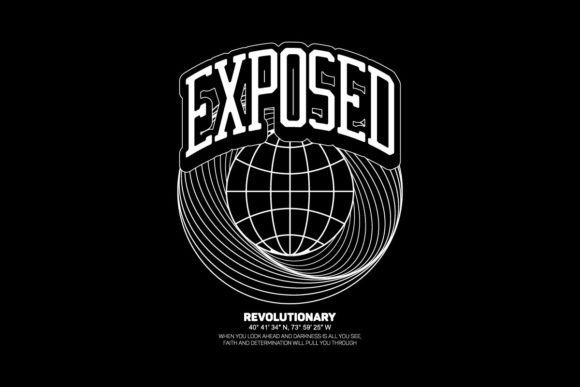
Exposed Streetwear: Graphic Tee Design for Bold Brands
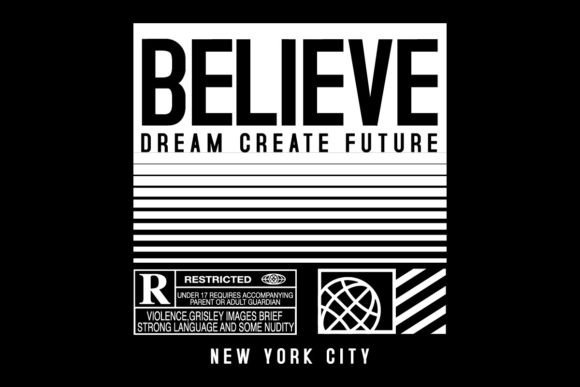
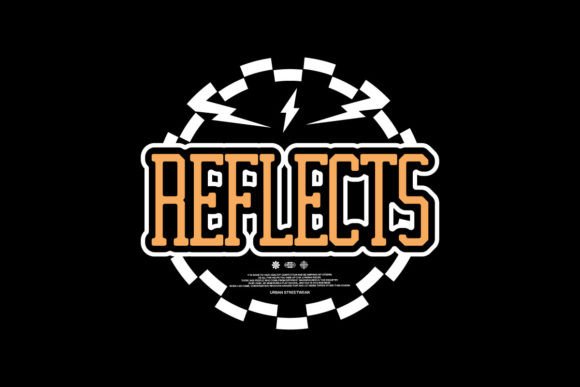
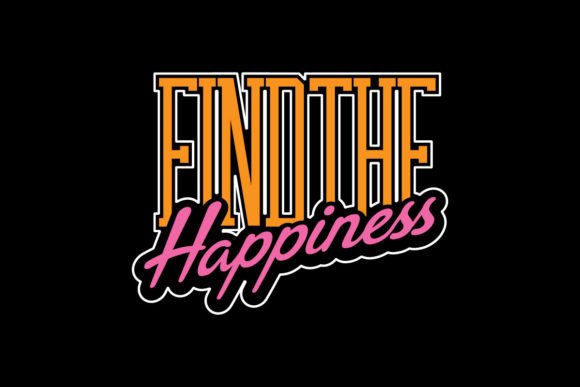
The Exposed Streetwear Graphic Tee Design collection captures a specific moment in urban fashion—raw, unfiltered, and intentionally imperfect. This isn't just another set of templates; it's a visual language built for creators who want their merchandise to feel authentic and culturally relevant. The designs draw from graffiti textures, distressed printing effects, and the kind of layered typography you'd see on independent streetwear labels that have cultivated a dedicated following.
Understanding the Visual Language Behind the Collection
What makes this graphic design collection stand out is its commitment to texture and attitude. Each piece in the Exposed Streetwear Graphic Tee Design lineup carries a weathered, lived-in quality that suggests history and street credibility. You'll find overlapping elements, halftone effects, and typography that feels hand-applied rather than digitally polished. The color palettes tend toward muted tones—off-whites, washed blacks, faded earth colors—that complement the distressed aesthetic without overwhelming it.
The personality here leans toward the underground. These aren't corporate-friendly graphics meant for mass-market appeal. They speak to a younger demographic that values authenticity over perfection, and that distinction matters when you're building a streetwear fashion brand or launching a custom printed clothing line. The designs communicate rebellion, individuality, and a rejection of overly produced aesthetics.
Where This Collection Truly Shines
Streetwear graphic tee designs like these work exceptionally well across several applications. If you're running a print-on-demand operation, the vector files included make scaling seamless—you can adjust dimensions for different garment sizes without worrying about pixelation or quality loss. The EPS format gives you full editing capability in Adobe Illustrator, Affinity Designer, or any vector graphics software you prefer.
Beyond t-shirts, consider how these designs translate to hoodies, tote bags, skateboards, and sticker packs. The urban streetwear aesthetic has expanded well beyond clothing into lifestyle branding, and having versatile design assets that maintain their integrity across different merchandise types is genuinely valuable. Social media graphics benefit from this style too—Instagram posts and stories featuring distressed, textured visuals tend to stop scrollers in a way that clean, corporate graphics simply don't.
For small business owners and entrepreneurs entering the streetwear market, this collection removes a significant barrier to entry. Creating these kinds of layered, textured designs from scratch requires considerable time and skill. Having ready-made vector sources that you can customize—recolor, rearrange elements, swap text—means you can focus energy on brand strategy and marketing rather than spending weeks on design production.
Working With the Files: Practical Considerations
The download arrives as a compressed ZIP file, which is standard practice for distributing multiple file formats. Extract it, and you'll find the vector source files alongside high-resolution JPG versions. The JPGs work well for quick mockups or presentations, while the vector files are your working documents for any serious customization.
Here's where practical experience matters: when you open the vector files, take time to explore the layer structure before making changes. Well-organized design files separate text elements, background textures, and foreground graphics into distinct layers. This separation is what makes editing straightforward—you can modify the typography without affecting the texture work, or adjust color schemes without disrupting the composition.
Customizing Without Losing the Essence
The real power of vector-based streetwear graphics lies in their flexibility. You can scale these designs from a small chest print to an oversized back print without quality degradation. You can recolor elements to match your brand palette, add your own text treatments, or combine elements from different designs within the collection to create something original.
That said, exercise restraint. The appeal of exposed streetwear aesthetics comes from their carefully constructed chaos. If you start removing too many elements or over-cleaning the designs, you risk stripping away the very quality that makes them effective. Think of these as a foundation rather than a blank canvas—your job is to personalize, not overhaul.
When pairing these graphics with fonts for any additional text you might add, look toward bold sans serif typefaces or hand-drawn styles that complement the distressed aesthetic. Avoid polished serif fonts or elegant script fonts, which would clash with the raw energy of the collection. Consistency in visual tone is what separates amateur merchandise from professional streetwear branding.
Evaluating Fit for Your Project
Before committing to any design asset collection, consider your target audience honestly. If your customers gravitate toward clean minimalism, exposed streetwear graphics probably aren't the right fit. But if your market responds to bold, textured, culturally-aware design—think independent streetwear labels, skate culture brands, music merchandise, or urban lifestyle products—this collection aligns naturally with those expectations.
Test your designs across different mockup scenarios before finalizing. Place them on various garment colors, check how they reproduce in DTG printing versus screen printing, and get feedback from people in your target demographic. The best design assets are the ones that serve your specific audience effectively, not the ones that look impressive in isolation.
This collection represents a practical investment for anyone serious about creating merchandise with genuine streetwear credibility. The combination of editable vector files, high-resolution outputs, and thoughtfully crafted urban aesthetics gives you professional-grade design assets ready for real commercial application.